


- 11
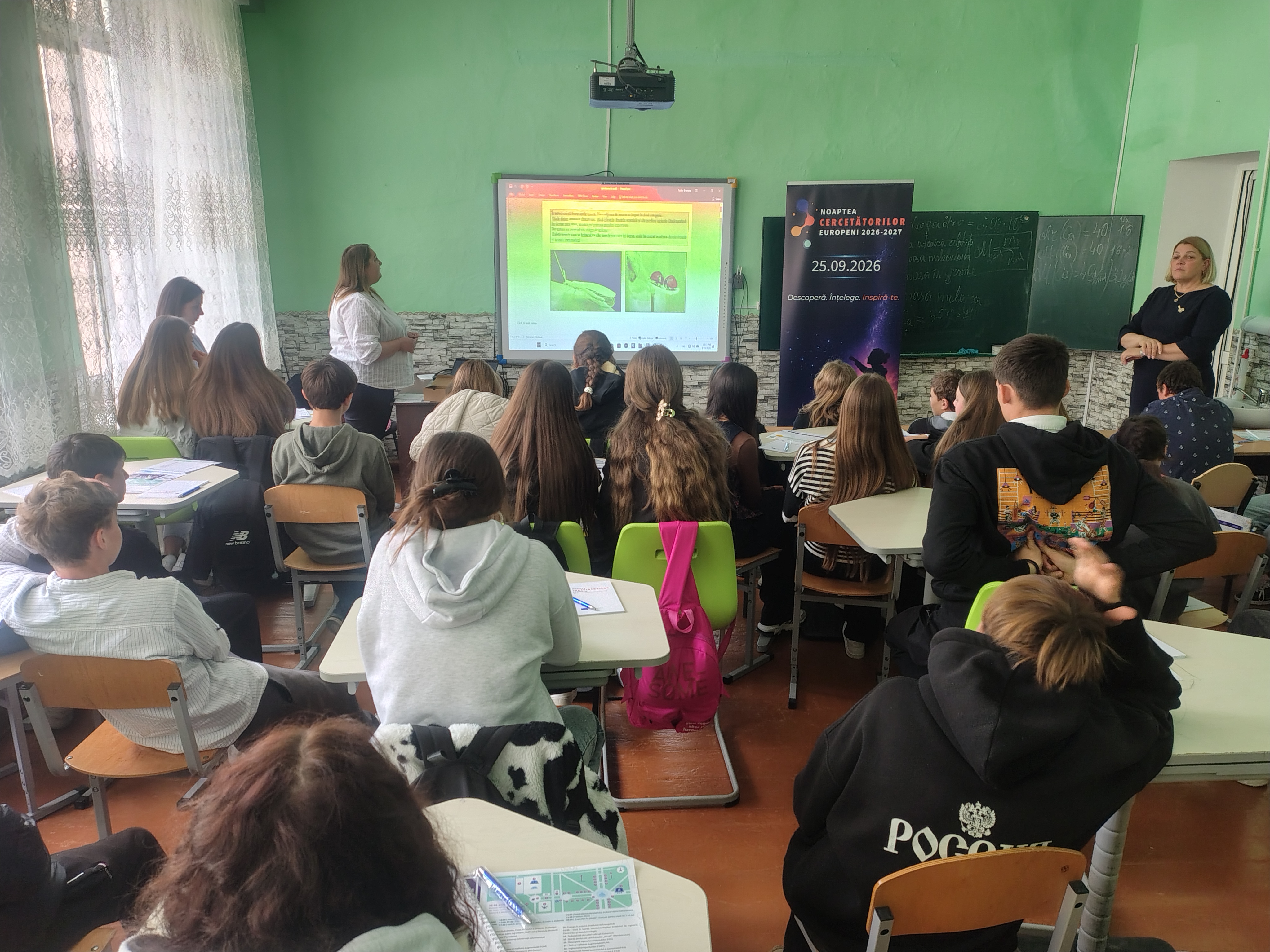
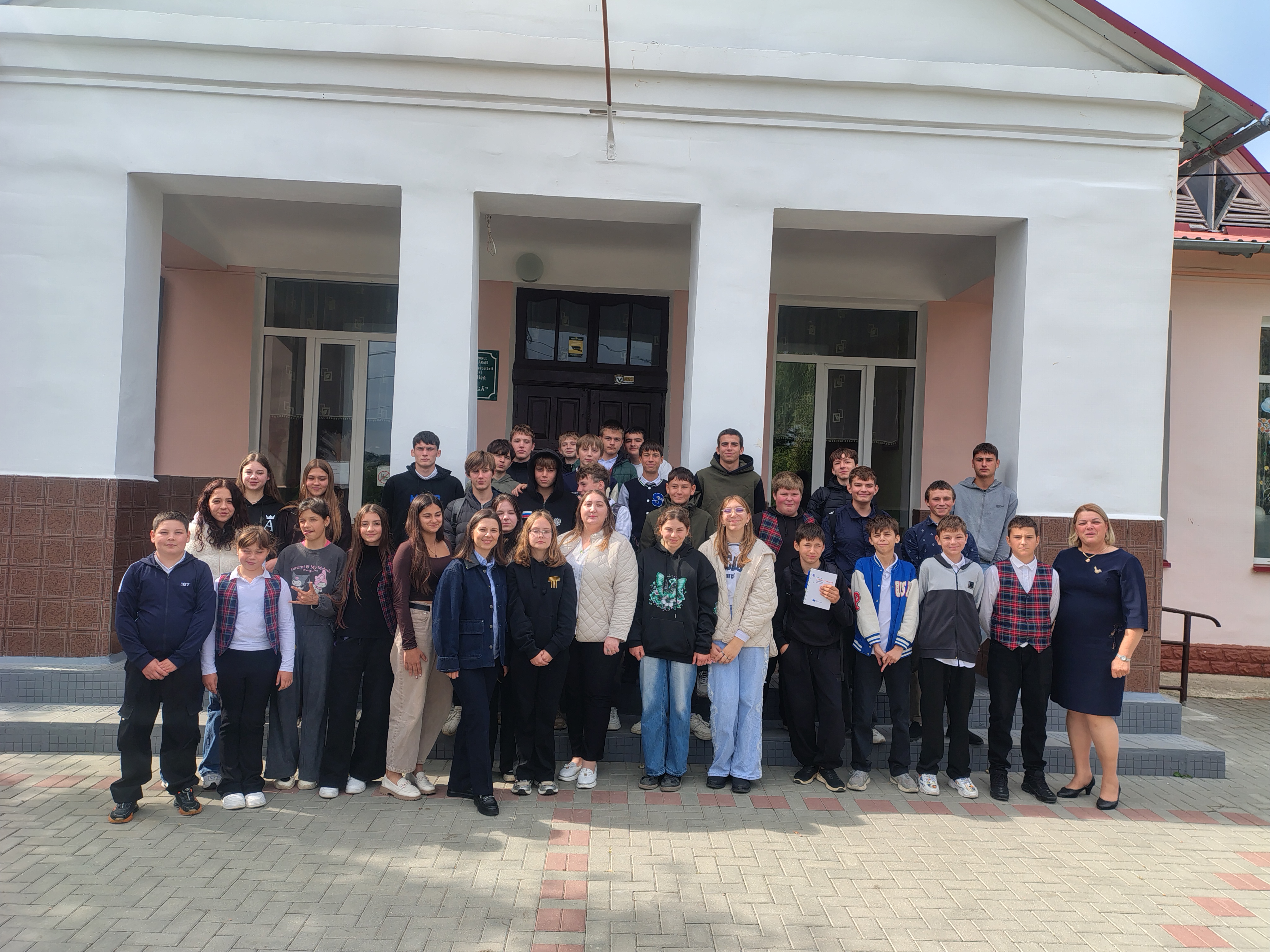
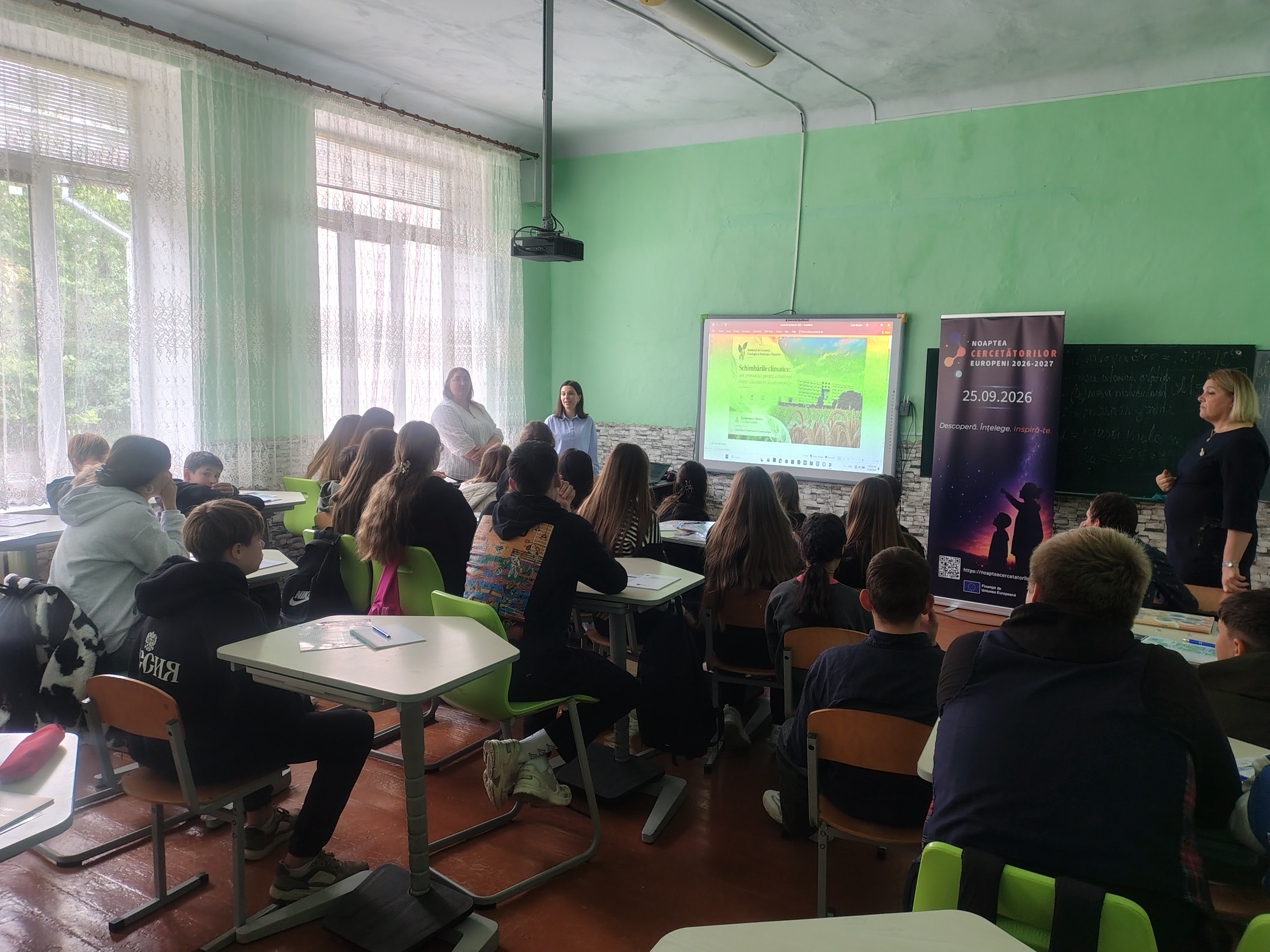
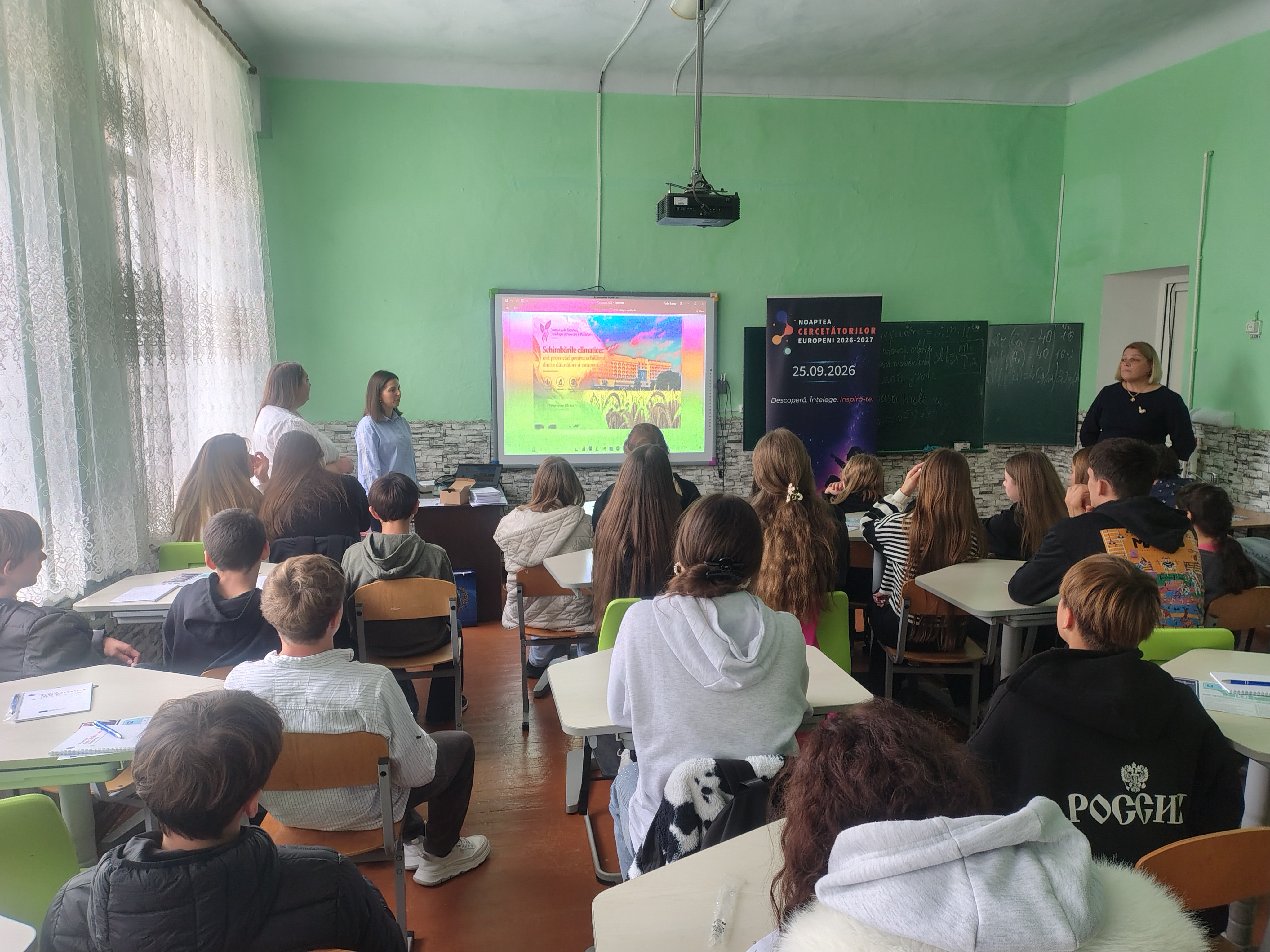
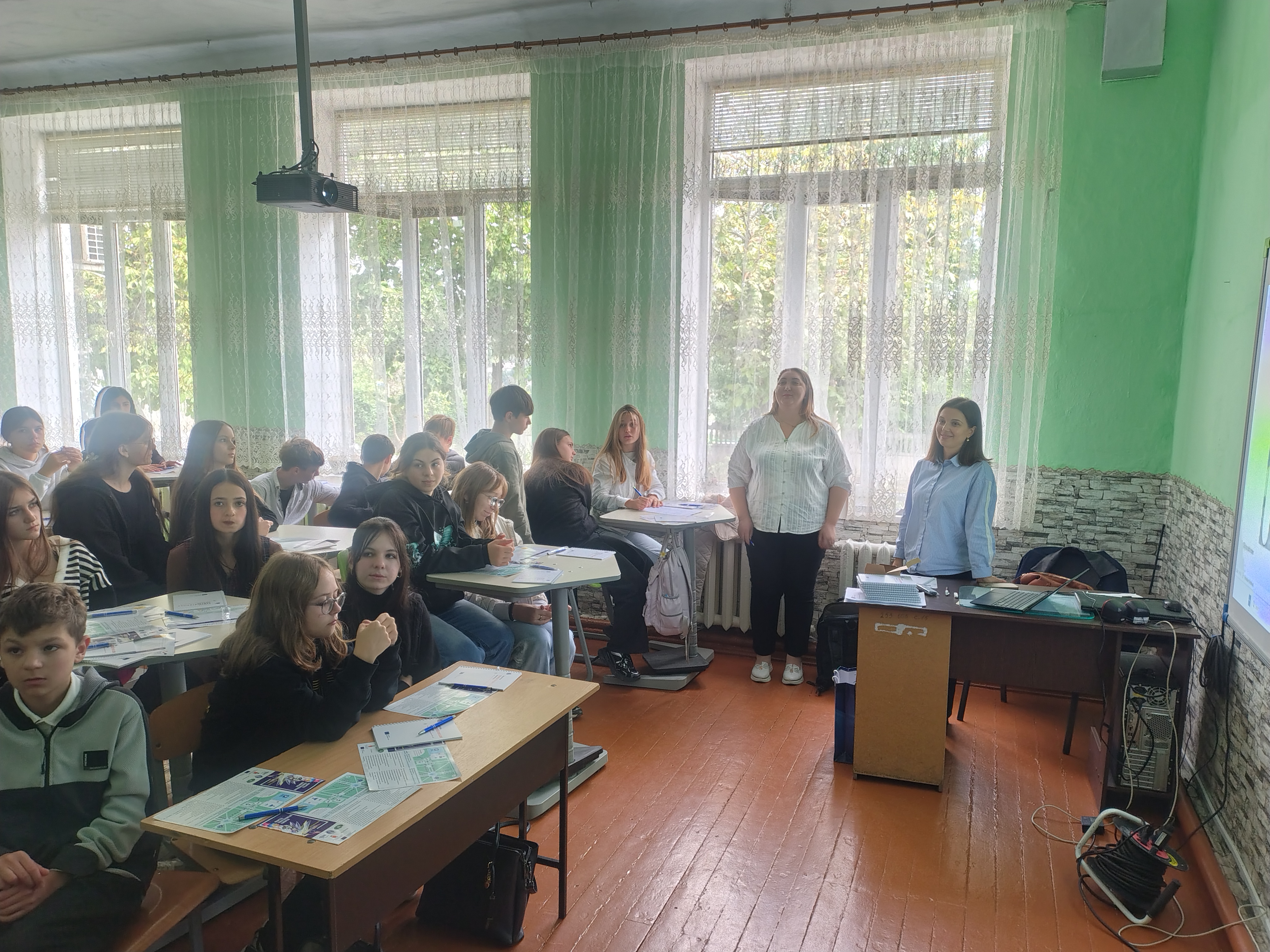
In the framework of “Researchers at Schools” program, on September 28, 2026, the “Ion Creangă” Gimansium in Călărași hosted a science outreach event designed to familiarize students with the world of insects, pest monitoring methods, and biological solutions used to protect plants and agricultural products.
The event was attended by Olesea Nemerenco, a research scientist at the Laboratory of Plant Protection and Ecotoxicology, and Corina Glibiciuc, a third-year doctoral student, both from the Institute of Genetics, Physiology, and Plant Protection at Moldova State University. The researchers spoke to the students about the work carried out in the laboratory and in the field, the impact of climate change on insects, and the solutions that science can offer for the effective and sustainable protection of agricultural crops.
Olesea Nemerenco presented information on the main pests of agricultural crops, methods for monitoring them, and the influence of climatic conditions on the development and dynamics of insect populations.
The researcher explained that temperature is one of the key factors determining the rate of insect development. Higher temperatures can accelerate their development, extend their active period, and alter the timing of adult emergence. Changes in temperature also influence the duration of the various stages of the life cycle - egg, larva, pupa, and adult - and, under favorable conditions, can lead to changes in the number and succession of generations.
Another topic addressed concerned the influence of water conditions on the relationship between plants and pests. Drought can cause stress to plants, while excessive rainfall can alter the conditions for insect development. In this context, the need to study pest dynamics in relation to the developmental stages of agricultural crops, environmental conditions, and food availability was emphasized.
The second topic of discussion focused on biological pest control and the role of beneficial insects in agriculture.
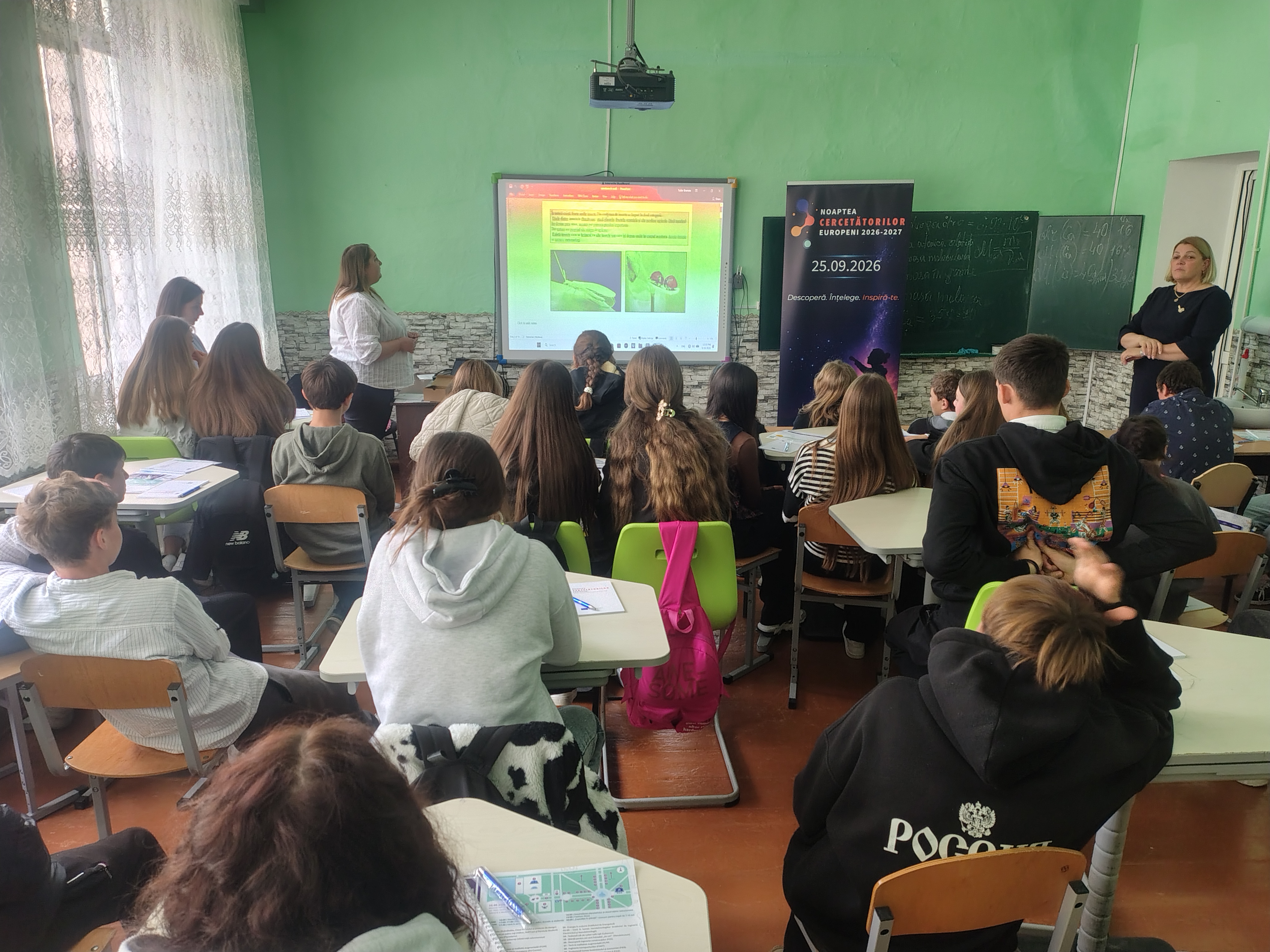
Corina Glibiciuc presented the topic “Entomophages as a Biotechnological Tool for Adapting the Biological Protection of Agricultural Products to Climate Change,” explaining to the students that, alongside insects that attack plants, fruits, grains, and other agricultural products, there are also beneficial insects in nature - entomophages.
These organisms feed on other insects or lay their eggs on or inside their bodies, thereby helping to limit pest populations. For this reason, entomophages are studied and used in biological pest control, serving as true “natural allies” of farmers and an alternative that can help reduce the use of insecticides.
Special attention has been given to how climate change may influence the relationship between pests and beneficial insects. Low temperatures can reduce the activity of entomophagous insects, while excessively high temperatures can affect their lifespan and their ability to identify and prey on pests. Researchers are therefore studying the behavior and development of these insects under various temperature and humidity conditions to identify the parameters that promote their effectiveness in biological control.
The session took place in an interactive format. Students were invited to identify beneficial and harmful insects, answer questions, and discover, through concrete examples, the relationships between organisms, plants, and environmental conditions.
The activity, carried out as part of the “Researchers in Schools” program, also aimed to stimulate students’ curiosity and interest in research, bringing science closer to the younger generation through accessible examples, observation, and direct dialogue with researchers
The activities of promoting research in schools and facilitating students’ access to science labs are carried out with financial support from the European Union, as part of the Sci-TRUST project “Fostering trust in science: European Researchers’ Night” funded through the Horizon Europe program, grant agreement 101305415.
The Sci-TRUST consortium is coordinated by the Technical University of Moldova and includes the Academy of Sciences of Moldova, “Alecu Russo” State University in Bălți, “Nicolae Testemițanu” State University of Medicine and Pharmacy and the InfoGroup NGO.
Source: https://asm.md/